Scratch and Sniff
How one French B-side from 1982 became the most scratched record in history, and why you can hear “Ahhh, this stuff is really fresh” all over the Monkey Radio playlist.
Question: What do DJ Krush, Coldcut, Yoko Kanno, and DJ Vadim have in common with Everlast, Céline Dion, Linkin Park, and Britney Spears?
Answer: Ahhhhhh, that stuff is really fresh.
More comprehensible answer: all of these artists have sampled “Change the Beat (Female Version)” by Beside.
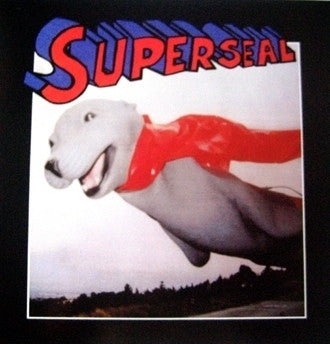
This track is rather legendary among anyone who has learned a little turntablism in the last 30+ years. It has become one of the most sampled songs of all time: at the time of this writing whosampled.com lists 3,160 tracks sampling it…and if anything, that’s a dramatic underestimate. Instructional tutorials often distribute packages of MP3s with cuts of these samples to practice on, and so-called “battle wax” such as DJ Q-Bert’s Superseal often features repeated slices of the “Ahh” and “Fresh” samples for use in live performance.
Take a listen to Monkey Radio track “Organ Donor (Extended Overhaul)” by DJ Shadow, starting at around 2:40:
You can hear a different use of the same AAAHHH sample at around 0:50 of DJ Cam’s “Mental Invasion”:
Zooming in on the Cut
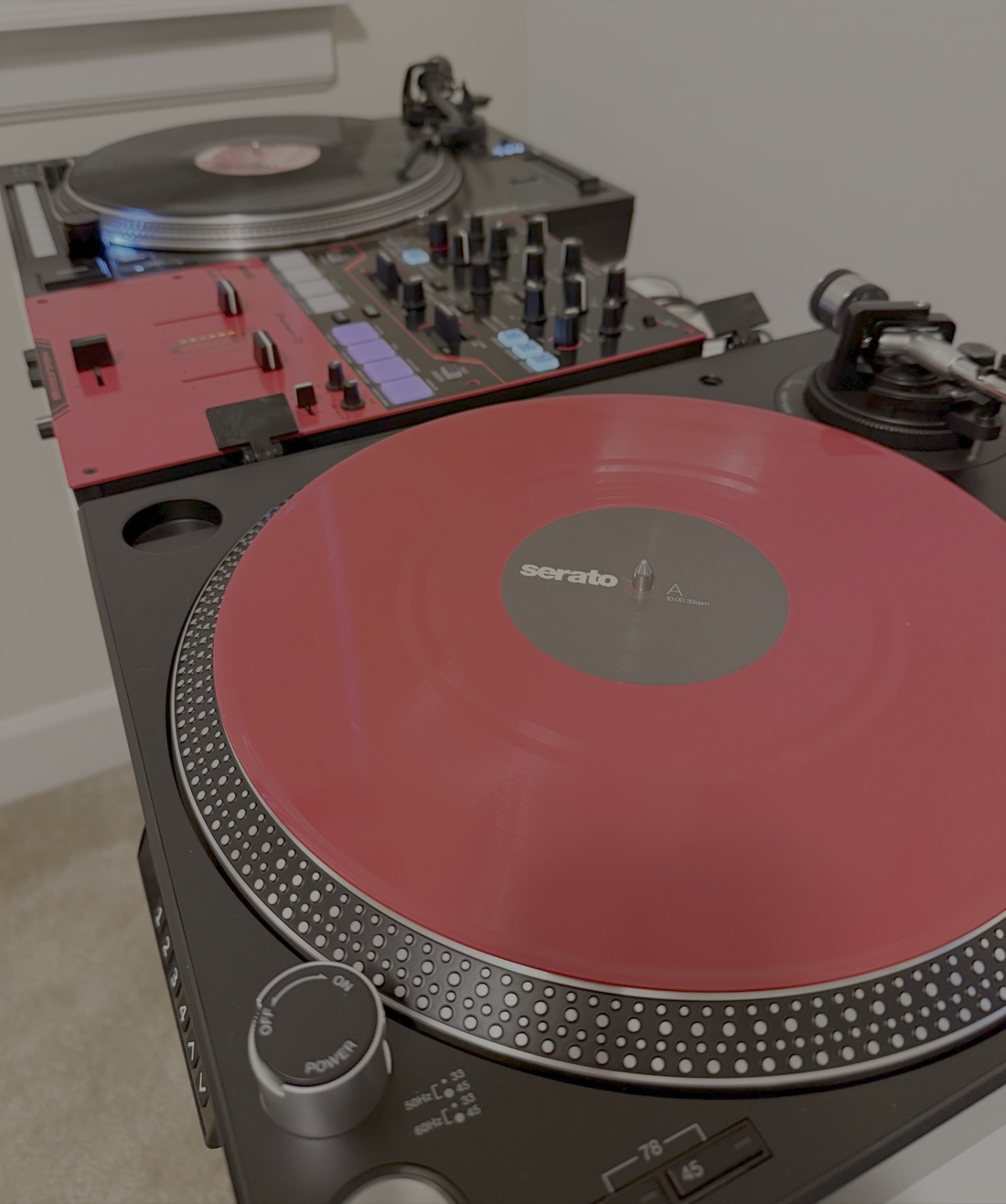
“Scratching” often conjures a vague impression of a DJ wiggling a record. The details are a little more involved. As you might imagine, the turntablist moves the vinyl back and forth under the needle by hand, turning a fragment like that “Ahh” or “Fresh” into a percussive, almost spoken instrument; the platter continues to spin underneath the wax. The other hand rides the mixer’s crossfader, cutting the sound in and out to carve each phrase. The interplay of record-hand and fader-hand produces the sounds we’ve come to associate with the craft. Battle records like Superseal exist precisely to keep a clean, repeated sample sitting under that needle.
These days you don’t strictly need the original wax. Many modern turntablists run a DVS (Digital Vinyl System): a special “control” record (like the red Serato disc on the platter above) is pressed with a timecode signal instead of music, and software translates the platter’s every move into scratches of any digital file. You get the most of the feel of vinyl (the weight, the slip, the needle) while cueing samples from a laptop.
The source
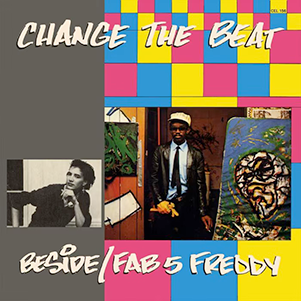
The track itself is a hip-hop classic, released as a 12” single on Celluloid Records in 1982 and produced by Bill Laswell’s group Material. The A-side is Fab 5 Freddy; the most-sampled “Female Version” is the B-side, rapped entirely in French by Beside (Ann Boyle). The iconic part, however, comes from the end of the track: after a beep, a heavily vocoded voice proclaims, “Ahhhh, this stuff is really fresh!” Per Wikipedia, the voice is Roger Trilling, imitating a record executive of the era.
You can hear the source of this iconic scratch sound at the end of Fab 5 Freddy’s record in the video below, at around 3:38 to be specific:
Once you know the sound, you’ll hear it everywhere. For those of you picking up whole albums on the consolidated spreadsheet, you’ll notice the sample on even more Monkey-adjacent tracks, including DJ Krush’s “The Kinetics,” Zero 7’s “This World,” and DJ Vadim’s aptly named “How to Exercise the Turntable Record Player.”